Academic decisions were high risk
Students chose professors and courses with incomplete information scattered across friends, chats, and informal networks.
I co-founded and led product for Wabu from MVP to V3, designing the core flows, research loops, gamification system, QA process, and contribution mechanics that helped students rate professors, share class materials, and make better academic decisions.
00 — Context
Students already had everything they needed to help each other — notes, summaries, past exams, hard-won experience with specific professors. The problem was that all of it lived scattered: buried in Facebook groups, WhatsApp chats, even hand-written surveys passed around campus. There was no single source of truth.
Wabu set out to centralize that knowledge — and to become more than a tool. We wanted a genuinely social space for university students, not just an academic utility. It grew into a peer-powered network where 120k+ students across Peru, Mexico, and Chile rated professors, shared class materials, and helped each other through the semester.
I owned the product end to end — from the first MVP to V3, from discovery to shipped releases to QA. Every major decision was grounded in user interviews, focus groups, surveys, usability testing, and behavioral data. Research was never a one-off discovery phase; it was the engine behind every release, shaped by a user-first, business-aware way of working I developed early in my career.
01 — Product Thesis
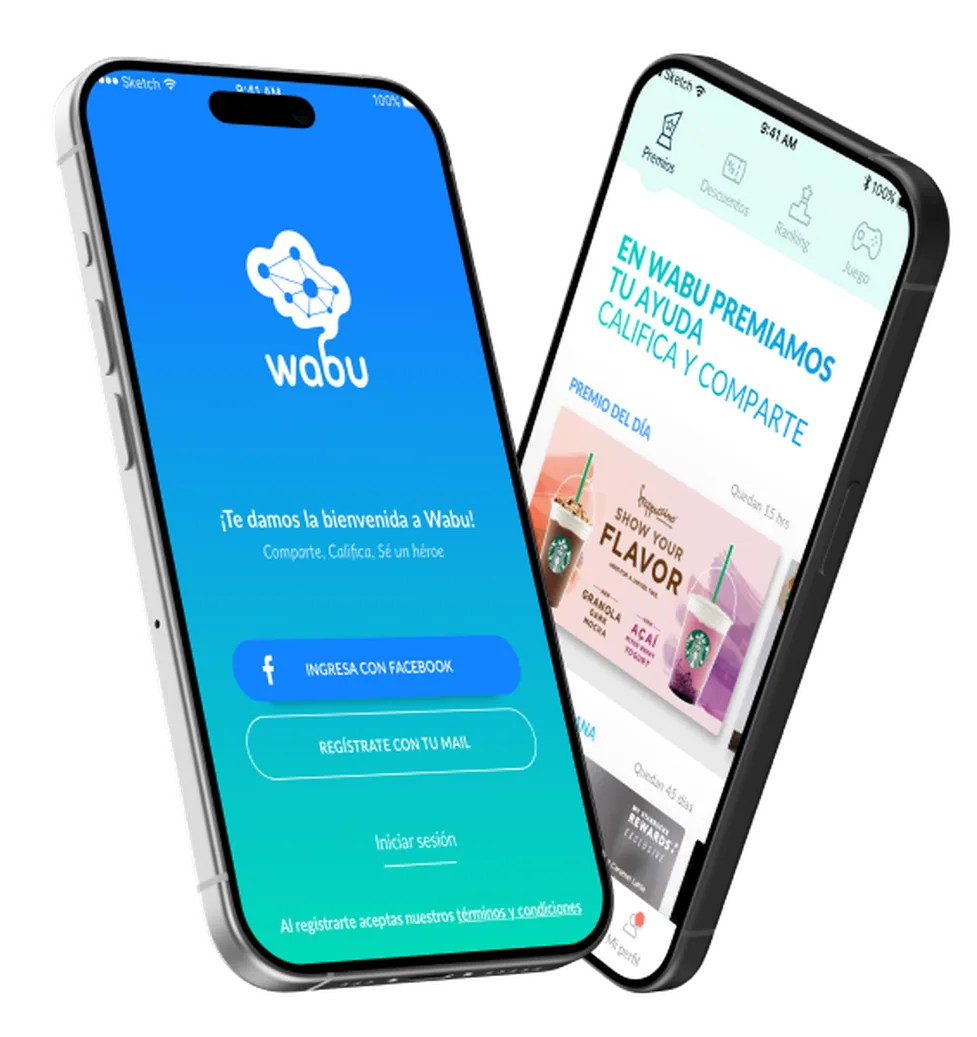
Wabu was never a content app first. It was a trust-and-contribution problem: professor evidence, class materials, motivation, and business model all had to reinforce each other.
Students chose professors and courses with incomplete information scattered across friends, chats, and informal networks.
Every major release came from a mix of interviews, focus groups, surveys, usability testing, and behavioral data — research as a habit, not a phase.
The product scaled to 120k+ students and validated a two-sided contribution marketplace of documents, ratings, rewards, and sponsored prizes.
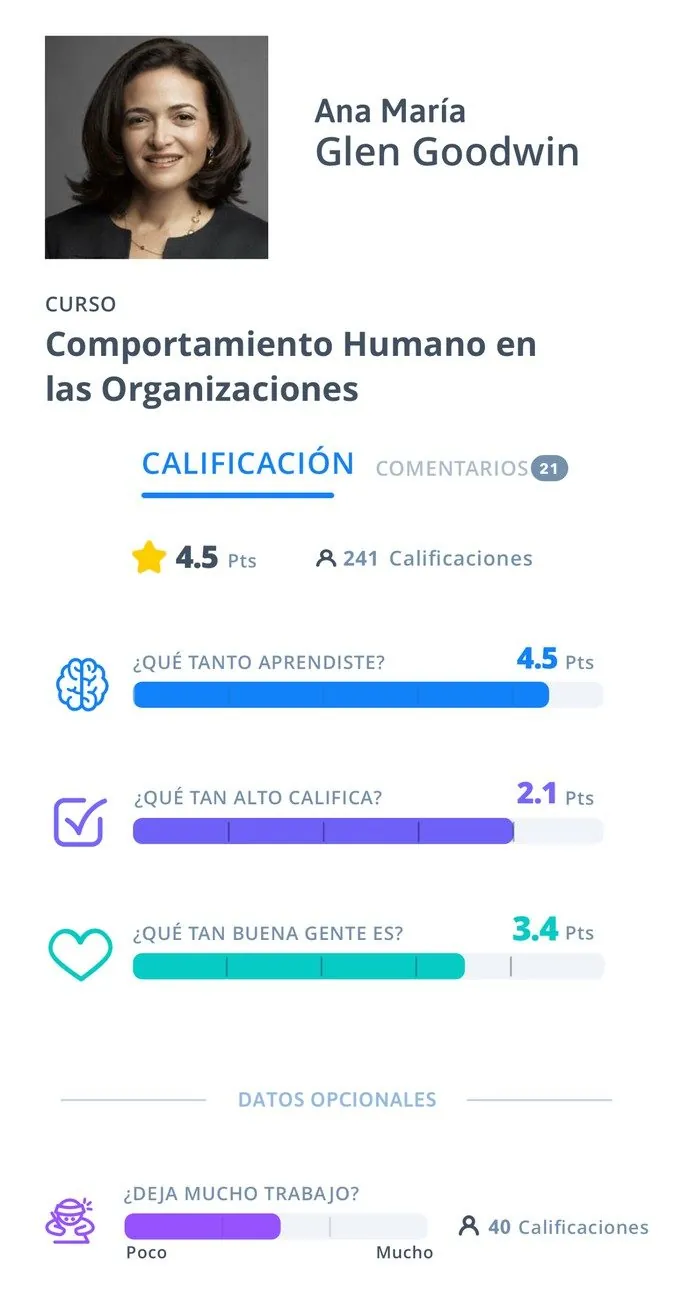
Professor ratings helped students make safer enrollment decisions.
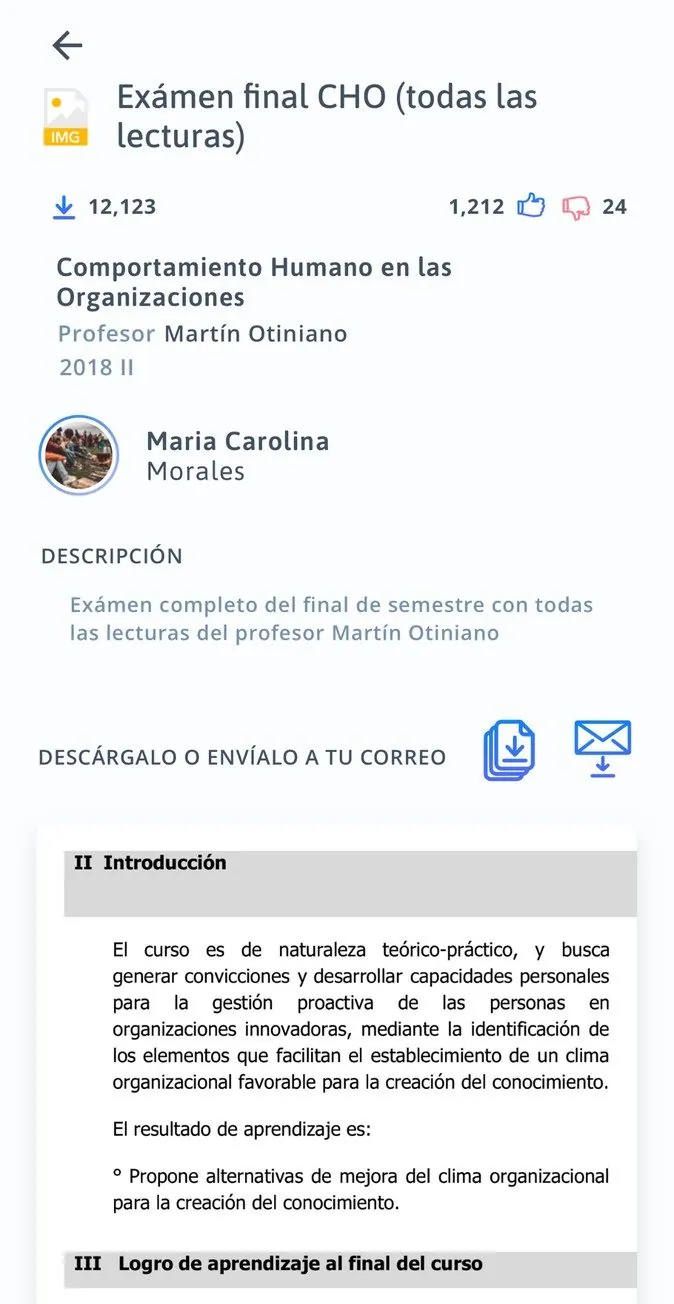
Documents turned Wabu into a weekly study tool, not just a seasonal app.
Gamification and rewards created the supply engine behind the network.
02 — Who we designed for
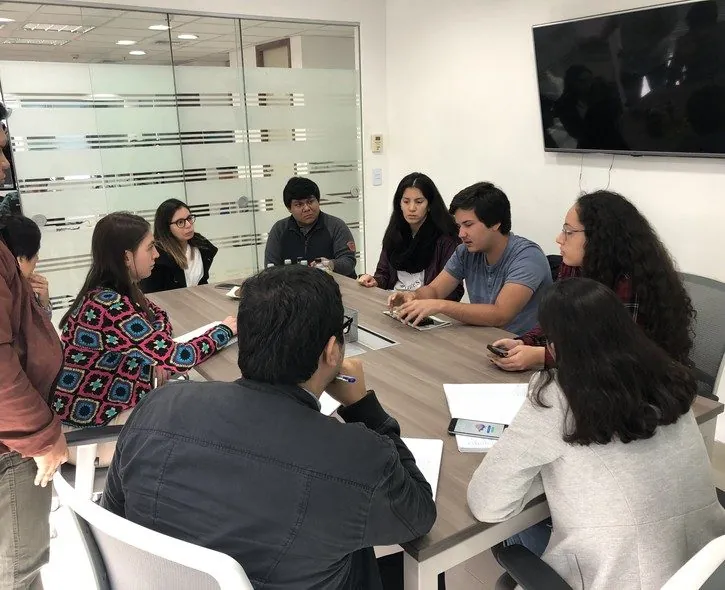
A network of shared documents only works if someone uploads. So early research went into identifying the real student archetypes inside the communities we were recruiting from — not to describe everyone, but to find who was easiest to activate as the first supply. User personas, drawn from interviews and community observation, gave every later incentive decision a specific person to design for.
The student everyone already messaged for notes, summaries, and past exams. They were constantly re-sending the same files by hand — so they didn't need convincing, they needed one place to put everything.
Easiest to activate first
Already generous by default — shared to build reputation and be seen as helpful. Gamification gave this behavior visible status instead of leaving it invisible.

Driven by status, ranking, and not falling behind peers. Leaderboards and the level ladder were built with this student in mind — competition as the engine for contribution.

Consumed everything, contributed nothing. Not a villain — just unmotivated. The challenge wasn't blocking them, it was converting a slice of them into occasional contributors.

Appeared around midterms and finals hunting for past exams and summaries. High-intent, but only a few weeks a year — the persona that justified document sharing as recurring utility.

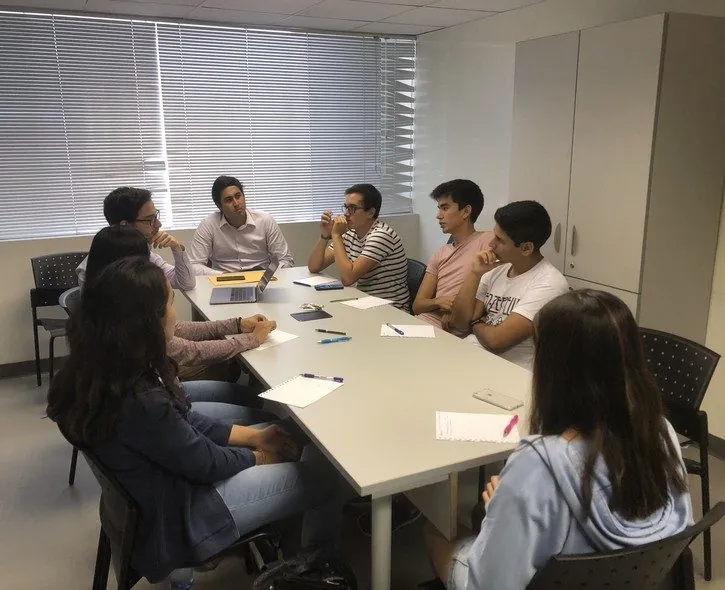
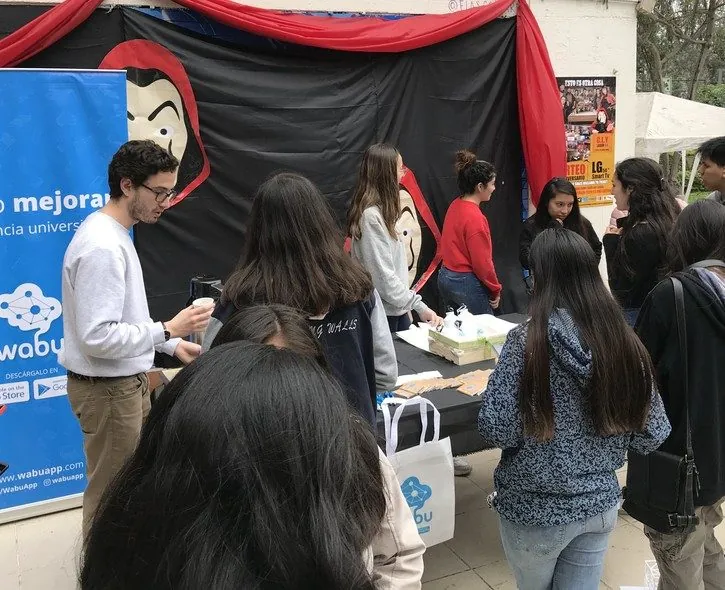
Research in the field: these archetypes came from real focus groups, interviews, and time inside the student communities we recruited from.
03 — Core product flows
Before going deep into the individual product questions, this is the quick map: Wabu was designed as a set of connected loops. Students came for trust, returned for utility, contributed for status and rewards, and completed profile data because the product made progress visible.
Break the cold-start by making recognition and rating fast enough to do at scale.
Result: 310k+ professor ratings
Turn Wabu from a seasonal enrollment tool into a weekly academic resource.
Result: 67k+ documents uploaded
Make contribution visible through progress, status, competition, and rewards.
Result: Repeat contribution supply
Collect structured academic data by making completion feel useful, not like a form.
Result: Product + business model aligned
Question 01 — Bootstrapping trust / MVP
The MVP had two problems stacked on top of each other. First: what actually makes a professor worth choosing? Rating “is this professor good?” is too vague to be useful. Second: the cold-start. No ratings meant no reason to use Wabu, but no users meant no ratings ever got created — and rating was tedious, since students recalled professors by face or course, not by name.
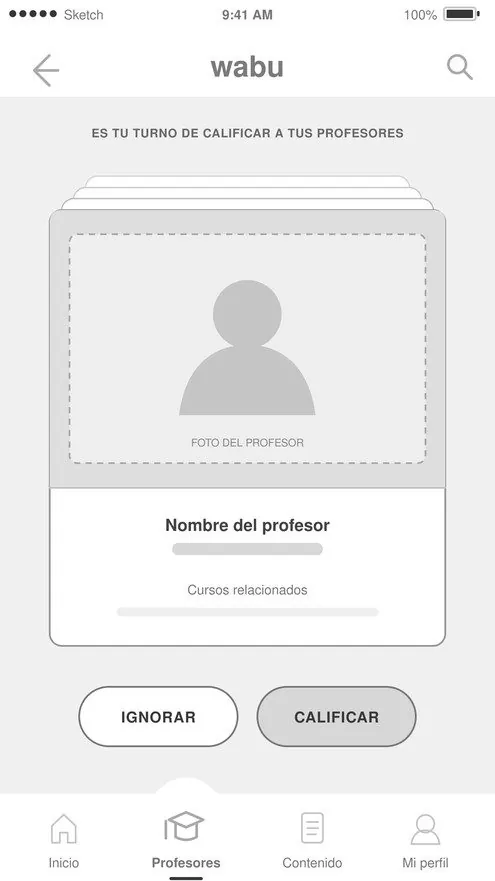
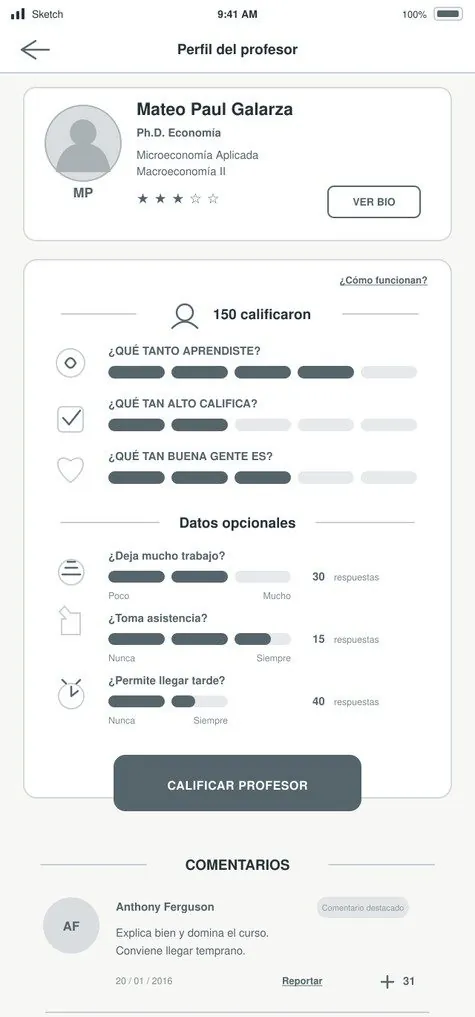
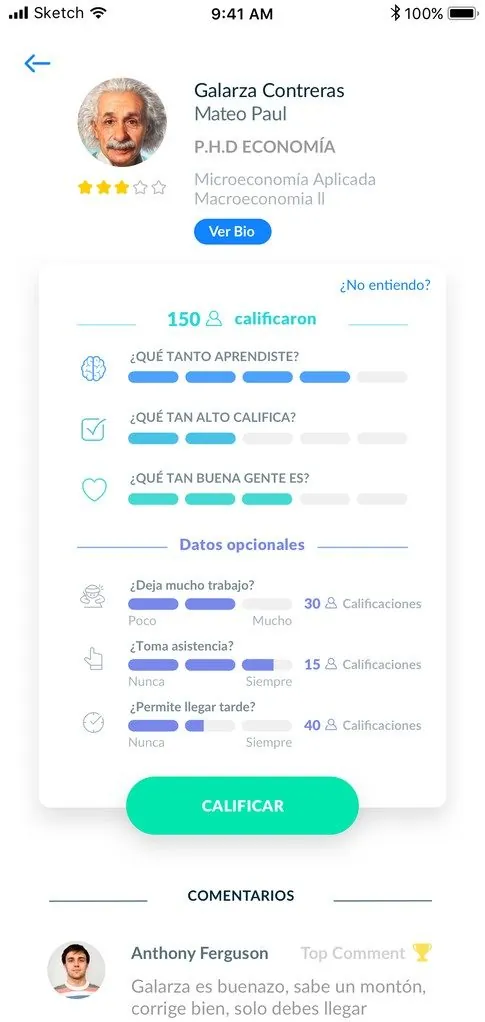
A note on the wireframes: Wabu was acquired and later shut down, and the original design files went with it. The screens below are reconstructions of the flows I designed, rebuilt from the shipped app and my own notes.
Framing recognition as a single left/right swipe removed the friction that had been killing contribution — the low-effort gesture that broke the cold-start and seeded the first ratings.

The professor detail screen carried the three dimensions that actually moved a decision — learning quality, grading difficulty, approachability — plus “buena onda” as social proof. Everything else was cut to keep the judgment readable at a glance.
Question 02 — Weekly utility / V1
Professor ratings solved a sharp problem, but the need spiked around enrollment and went quiet after. The next question came from the student, not the calendar: what academic need shows up every week?
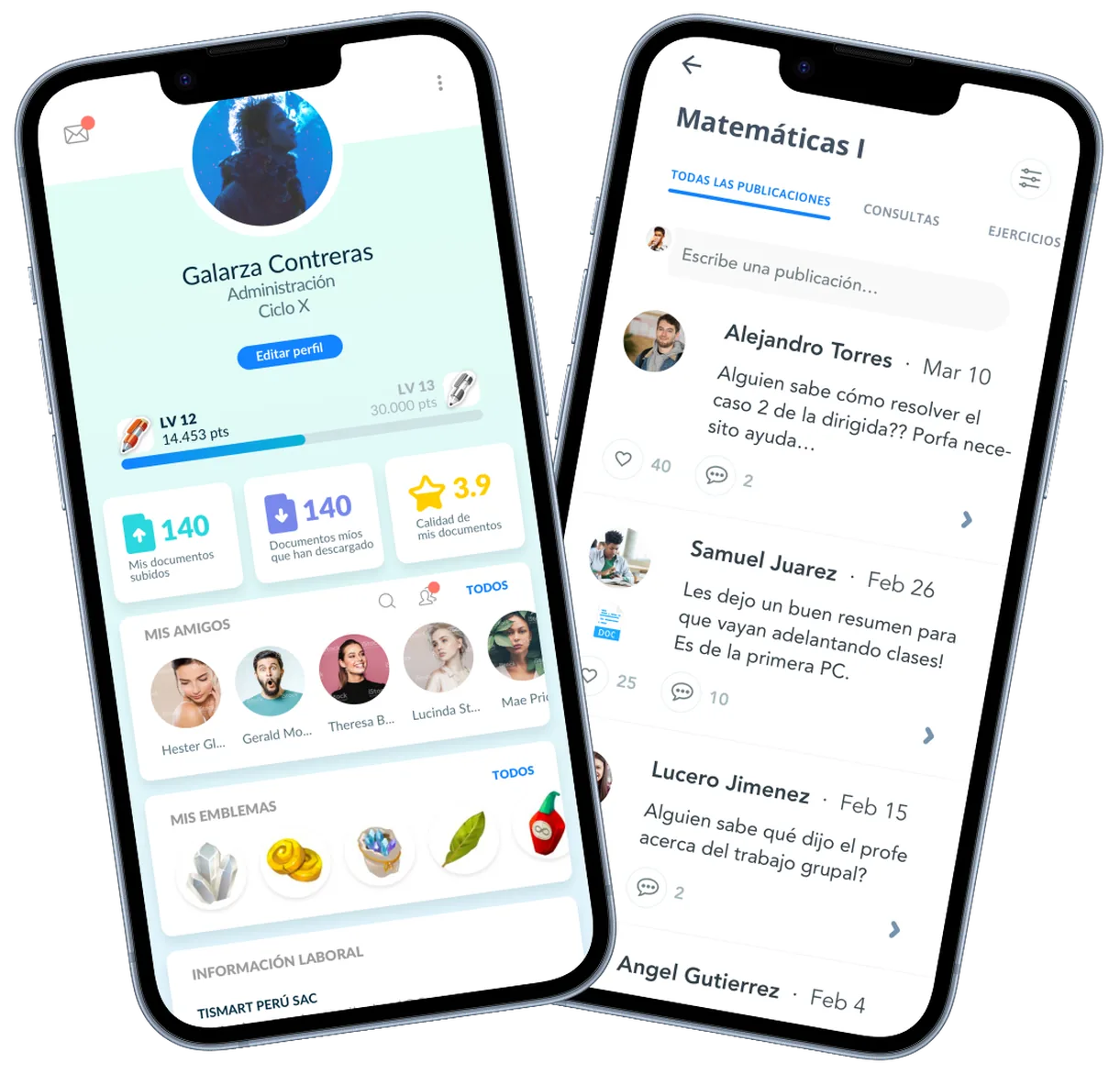
Each feature answered a different rhythm of student motivation. Mapping frequency to feature is how the product grew from a sporadic tool into a daily habit — and it told us which problem to solve next.
the same product, three rhythms — usage grows left to right
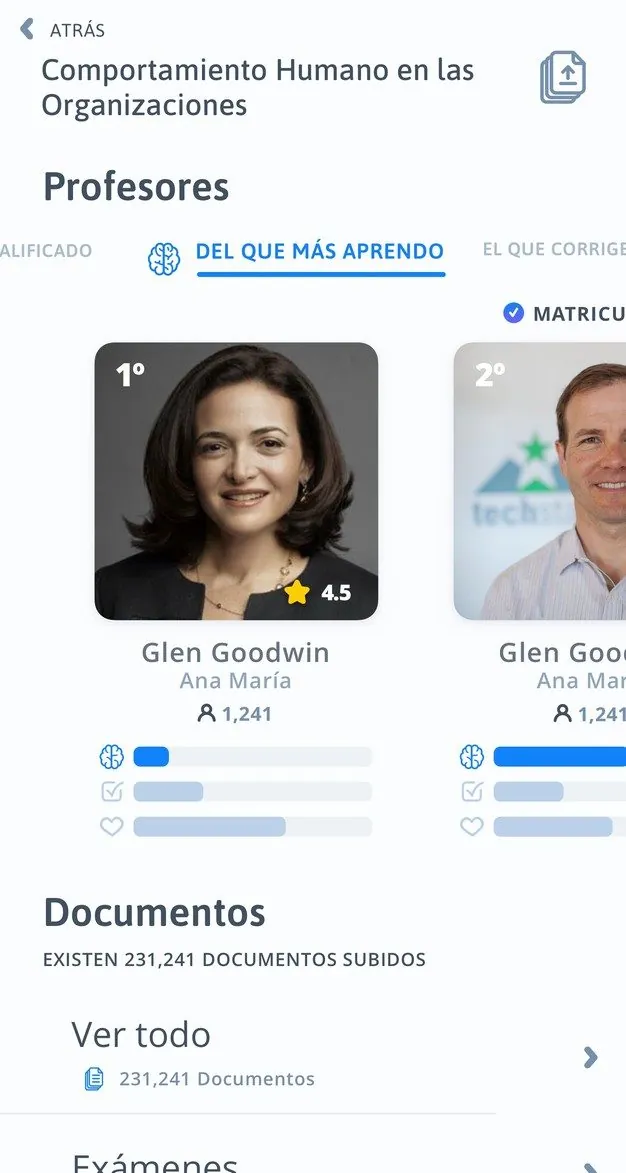 Professor ratings
The rare, high-stakes moment: deciding who to take. Enough to seed the network, not enough to build a habit.
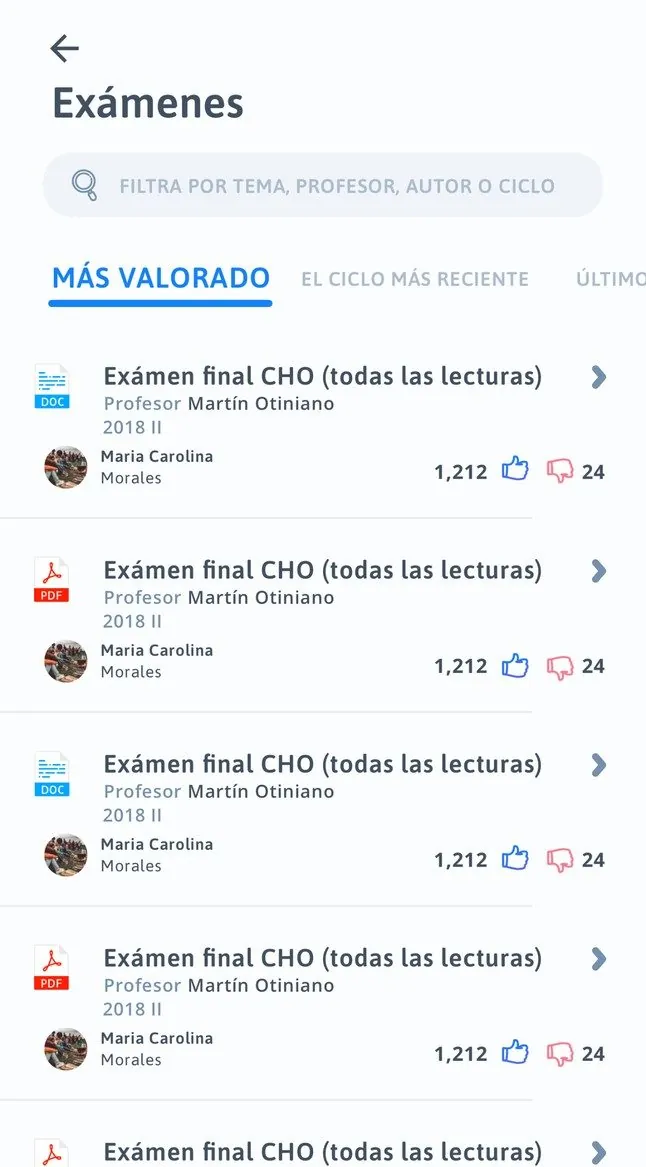 Documents by course
The recurring need. Notes and past exams organized by course turned Wabu into a weekly return visit.
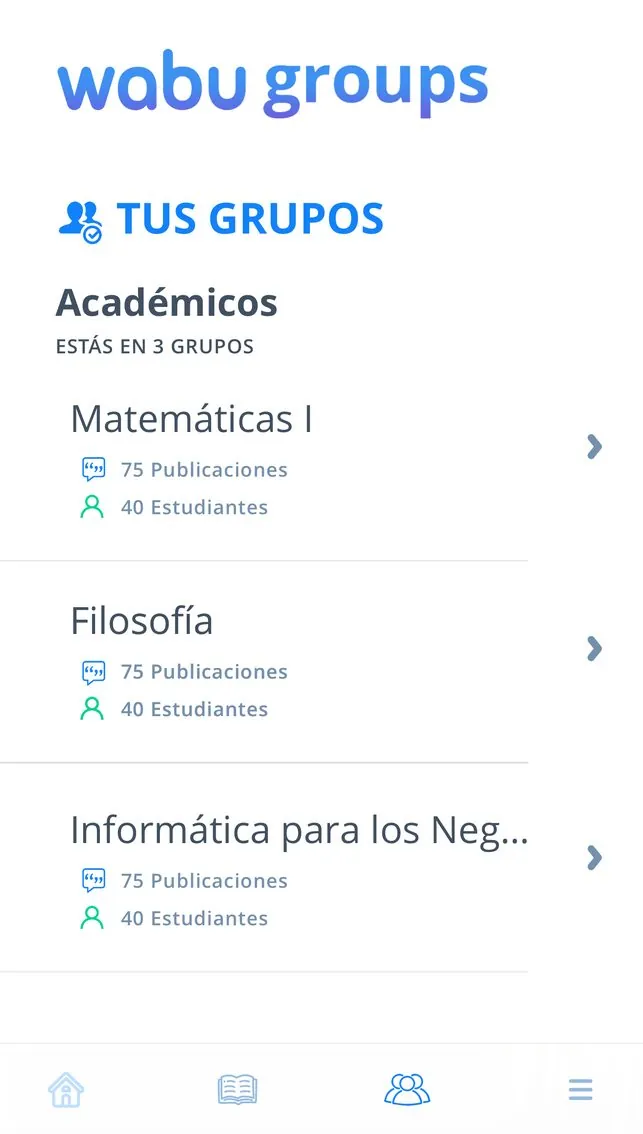 Groups & community
The ambition: everyday use. Groups moved the product from a study tool toward a place students just lived in.
Question 03 — Motivation and business model / V1
Documents were only valuable if students actually uploaded them. Gamification here wasn't cosmetic; it was the core product mechanism that converted passive academic demand into active supply. Research through interviews and user personas showed students didn't share out of generosity — they shared for status, recognition, and the pressure of not falling behind their peers. So the system was built on visible social proof, not private rewards.
Business model, designed into the same loop: rewards had to stay free to students, so someone else had to fund them. We ran a parallel research track with brands — business development to find which sponsorship model worked for them, and how to tie it back to student motivation. One system solved gamification and monetization at once: students earned real rewards, brands got visibility, and Wabu got a monetizable supply engine, with no student fees and no intrusive ads.
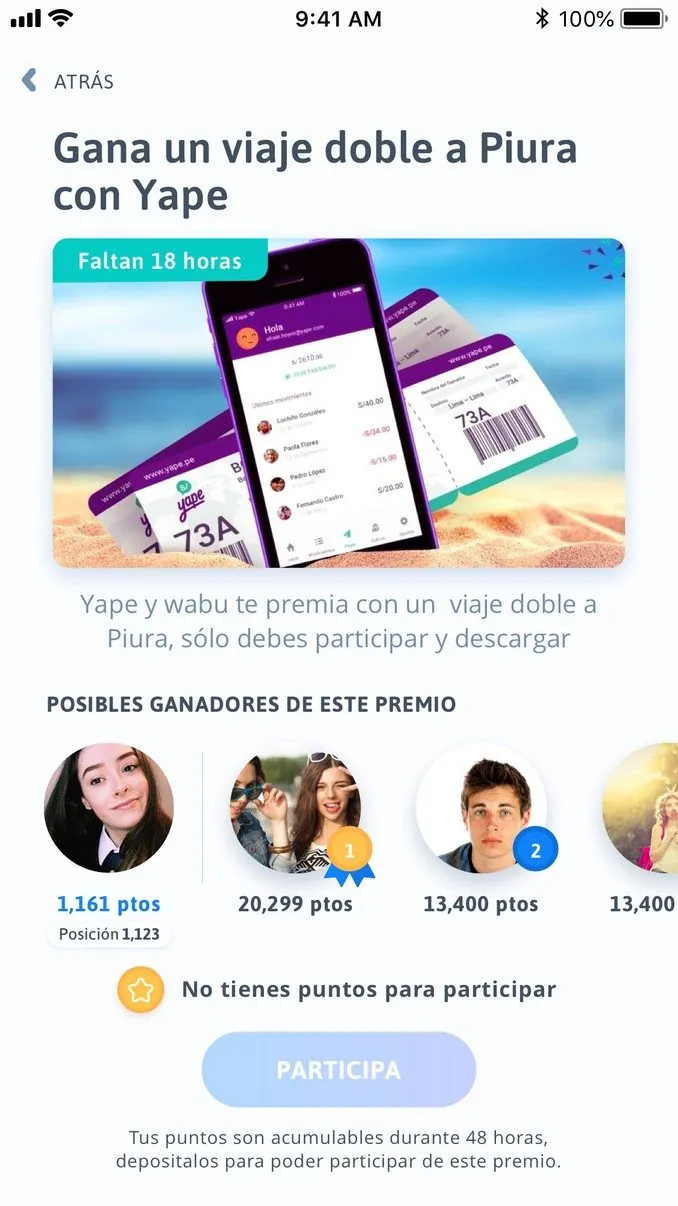
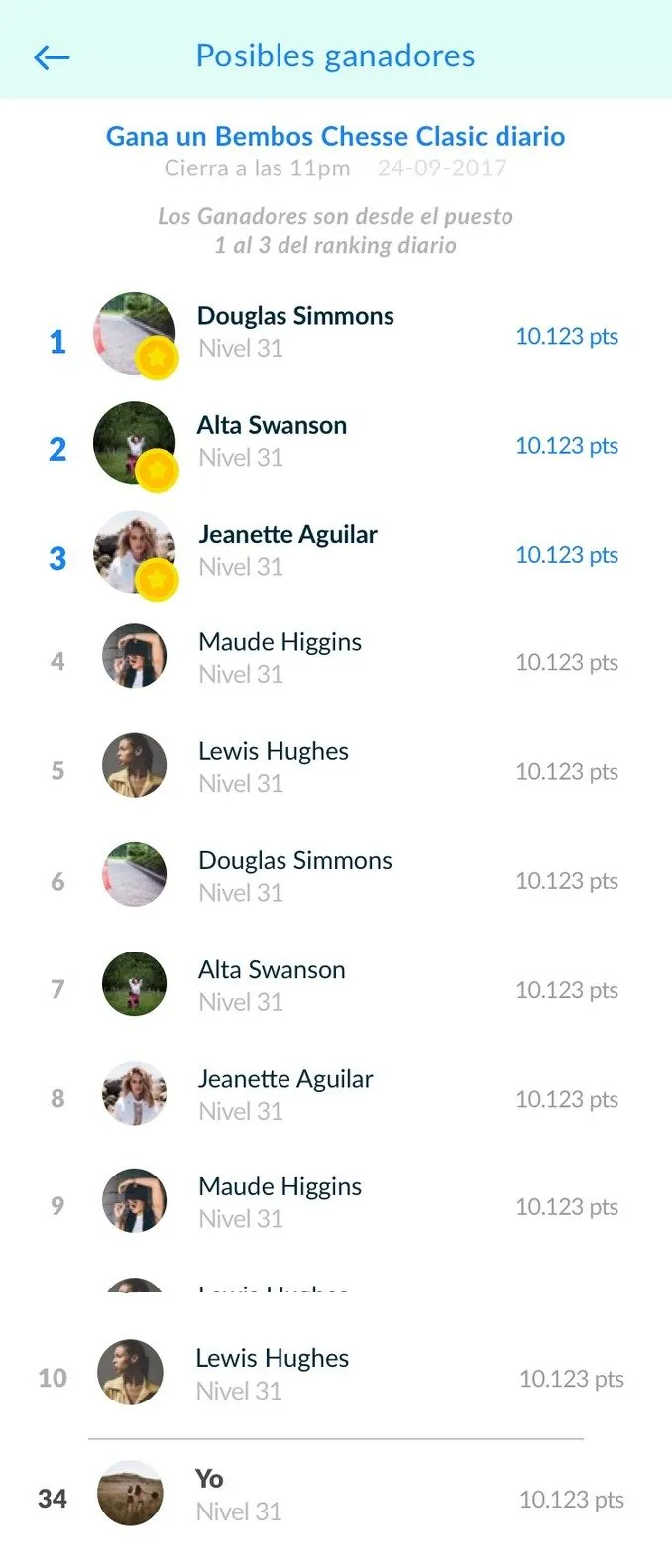
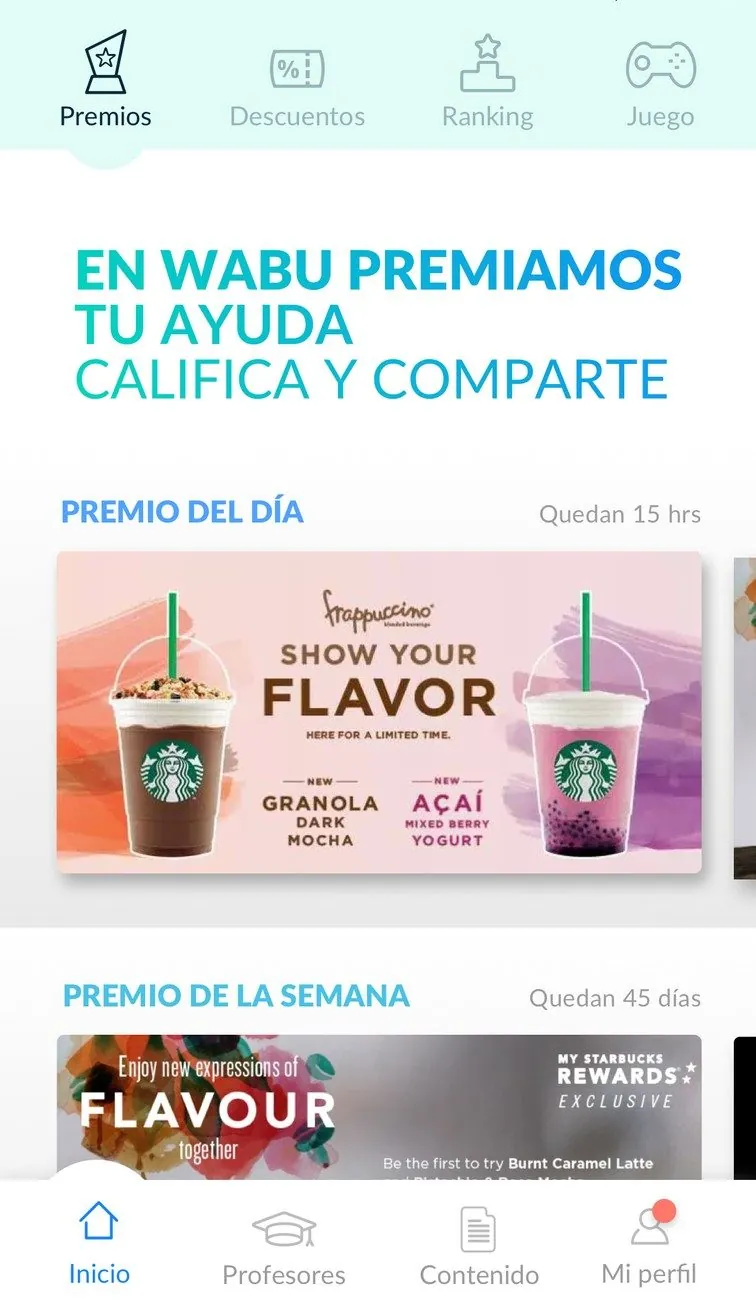
Sponsors paid for the rewards, so contribution never cost the student anything — the moment gamification and business model became one system.
Ranking made contribution visible, so students climbed to be seen. Visible status — not generosity — was the pull that drove uploads.
Points landed the second a document was uploaded. The reward itself could be weeks away, but the feedback was instant — and that gap is what kept students coming back to upload again.
Uploading earned points; points earned status; status drove more uploads. The character system gave contribution a playful, visible identity — and the loop grew the shared library to 67k+ documents while pushing Wabu toward weekly use.
 LV 1Egg
 LV 2Noob Wabuer
 LV 3Cool Wabuer
 LV 4King Wabuer
 LV 5Knight Wabuer
 LV 6Sensei Wabuer
 LV 7Genius Wabuer
Question 04 — Data without integration / V2
One of Wabu's deepest product problems: we wanted precise data on exactly which courses each student had taken — to power segmented offers and, eventually, Wabu Work, matching students to internships based on their actual coursework. But with no university integration, that data didn't exist on our side. The only path was to have students provide it themselves — and people don't fill long forms for free.
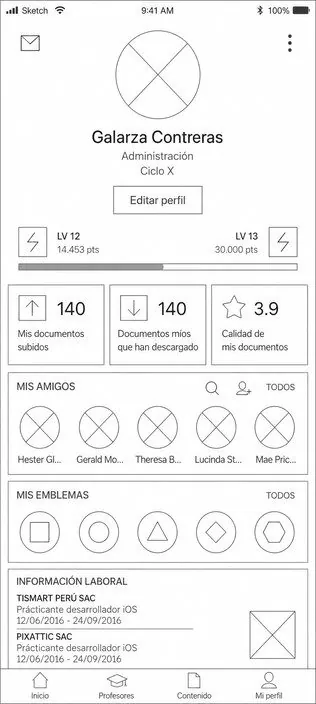
Reframing data entry as a filling profile — bars rising, sections checking off, a level to reach — turned a boring form into something students wanted to finish, without it feeling like extraction.
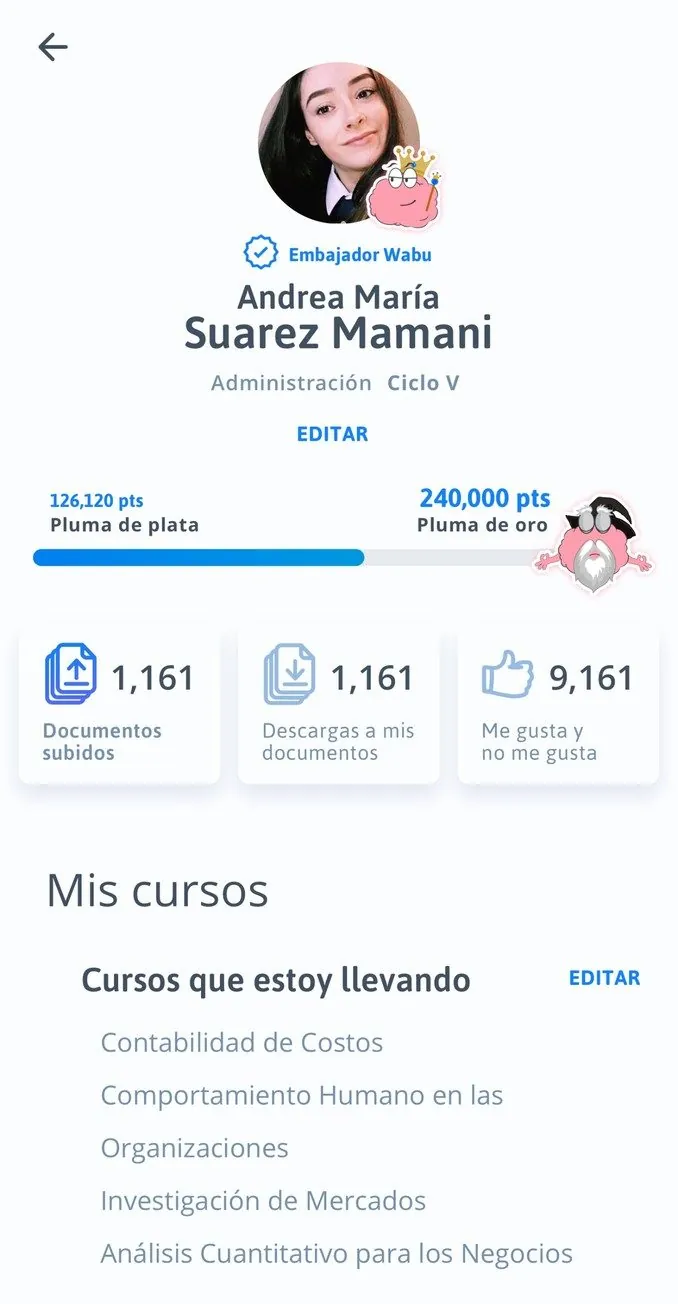
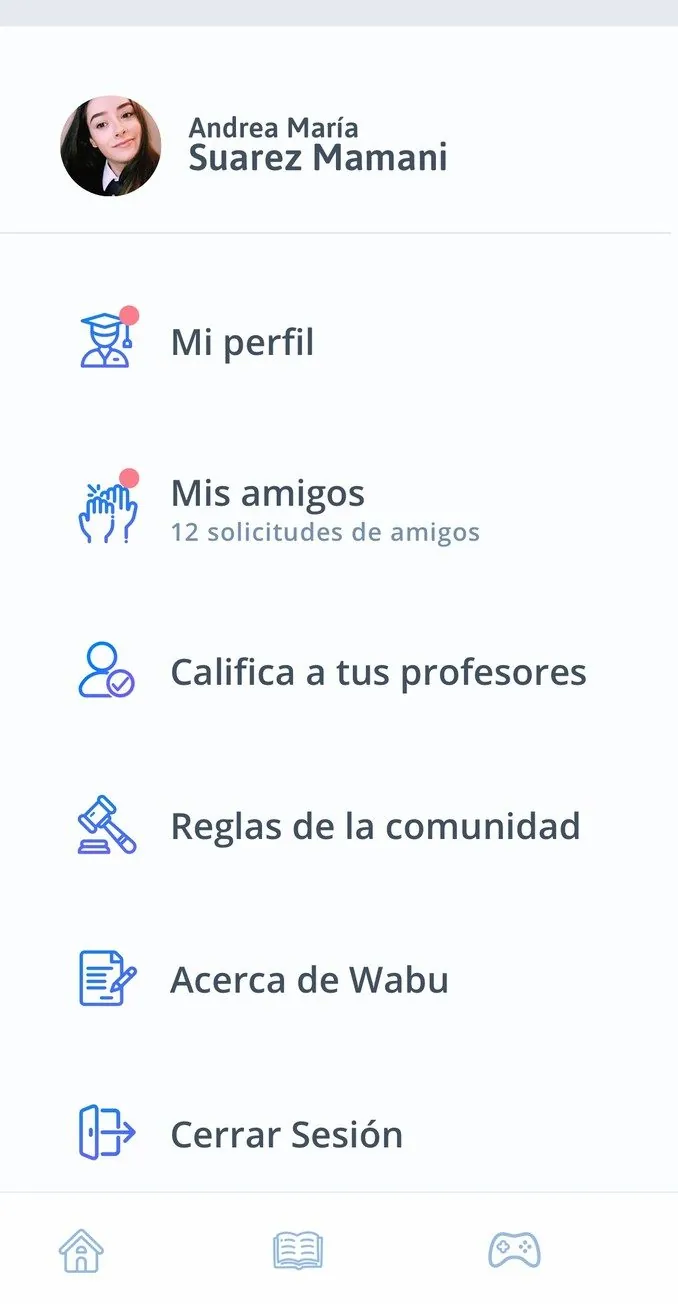
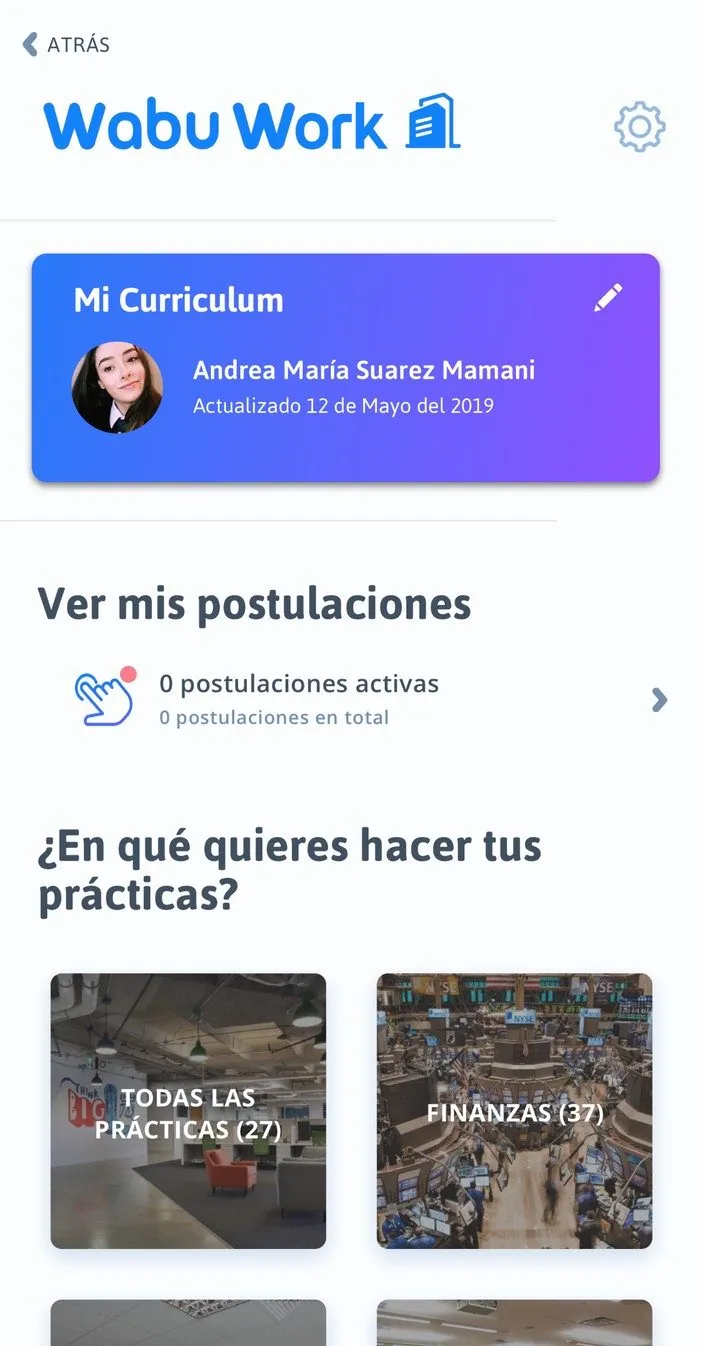
What we killed: Wabu Work. The internship-matching layer was the whole reason we were collecting coursework data — and we cut it. Talking to the companies that would post the roles, their hiring ran on manual processes; making matching work meant effectively building them a CRM, and that operational load would have landed on our team. We kept the data model and deferred the feature. It's the decision I'd defend hardest: the design was sound, the operations behind it weren't.
04 — Keeping the product alive
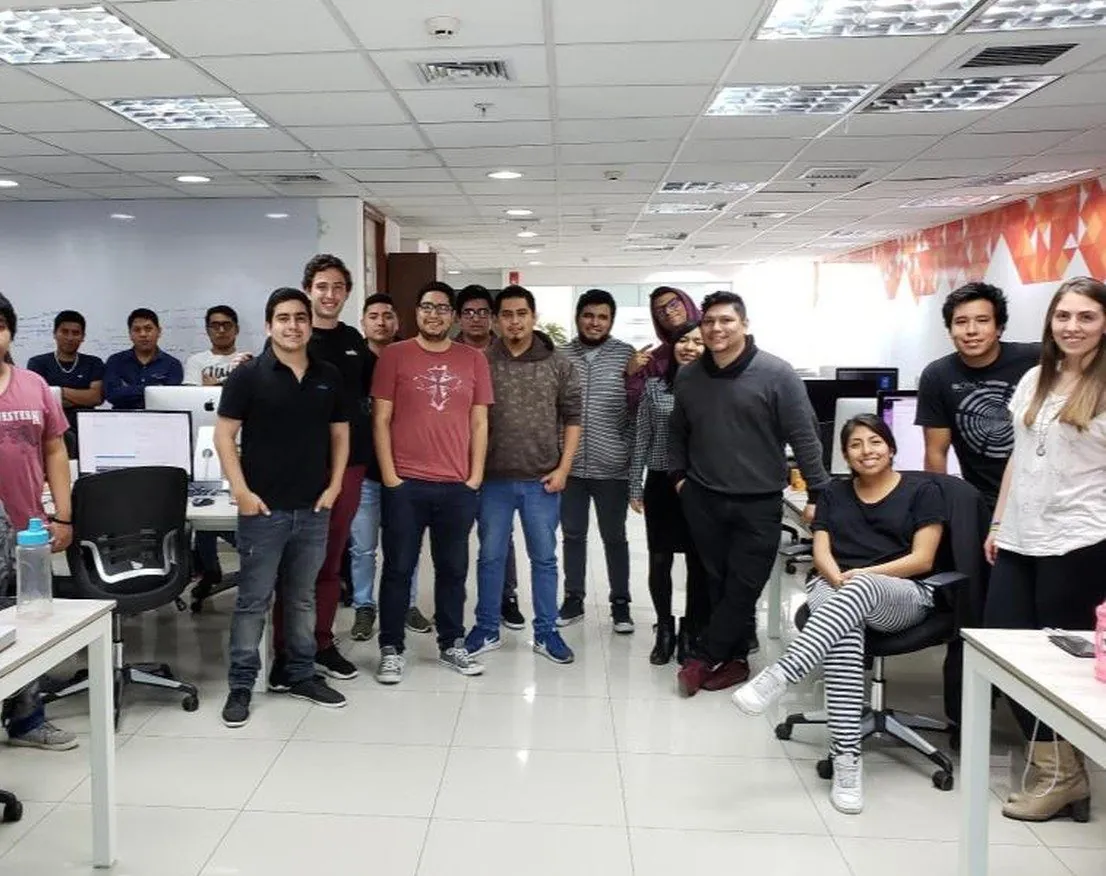
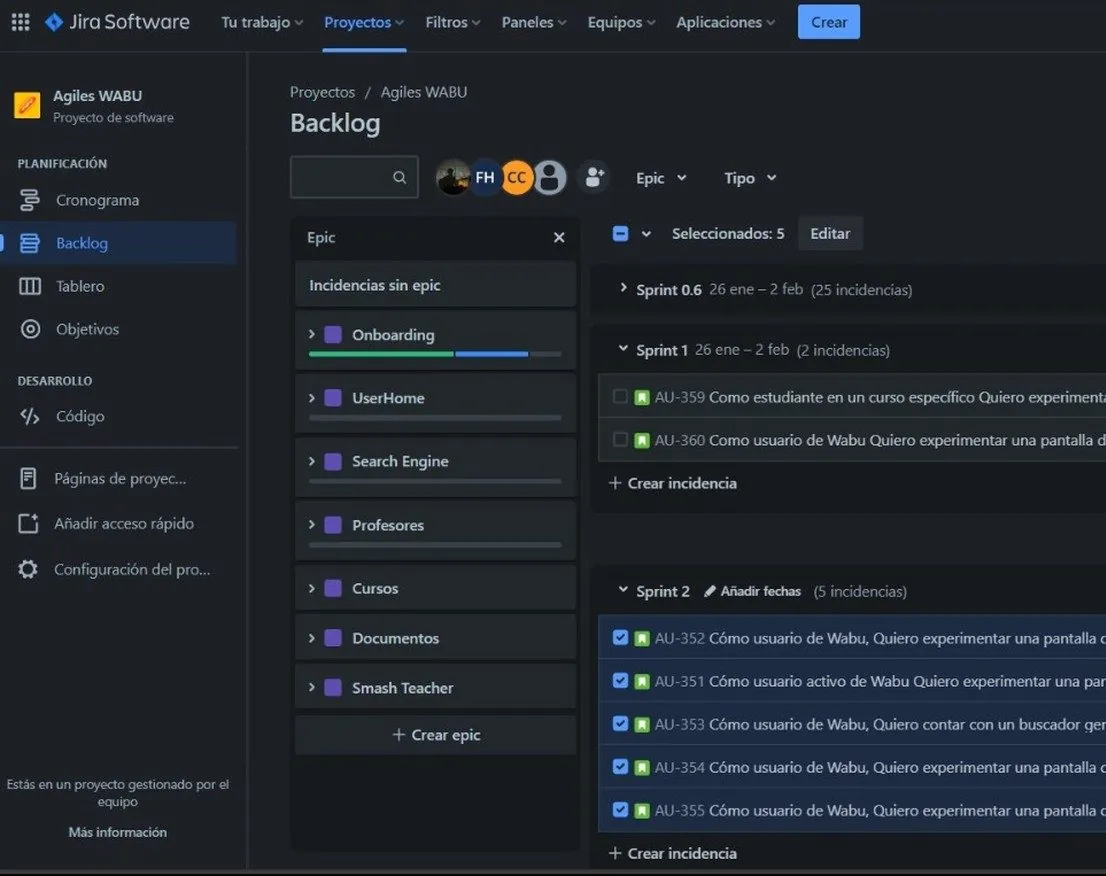
As co-founder and product lead, I ran the product as an ongoing operation, not a handoff. I led a multidisciplinary team of 4+ developers and 2 designers, working in weekly sprints with agile methodologies, managing tickets and bugs in Jira, and monitoring user-reported issues so real feedback fed straight into the roadmap. QA on core flows and edge cases ran before every release, and priorities shifted as each academic season changed student needs.
Bug, missing course, confusing flow, or request — captured continuously.
Feedback becomes prioritized product or development work.
Core flows and edge cases tested before every release.
Fix, improve, defer, or build next — re-scored each season.
The 30-second version
From an ambiguous student problem to a viral MVP wedge, mixed-method research, a motivation system, a working business model, and a product that grew from utility into a network.
Product ownership: real users, shipped releases, discovery, behavioral segmentation, gamification, monetization, QA, and product operations. Not “I made screens” — I designed the system behind them.
Wabu was eventually acquired. The acquiring company later shut down, and the app no longer exists — but the product reached six figures of students and validated a full contribution marketplace before it did.
Press & recognition
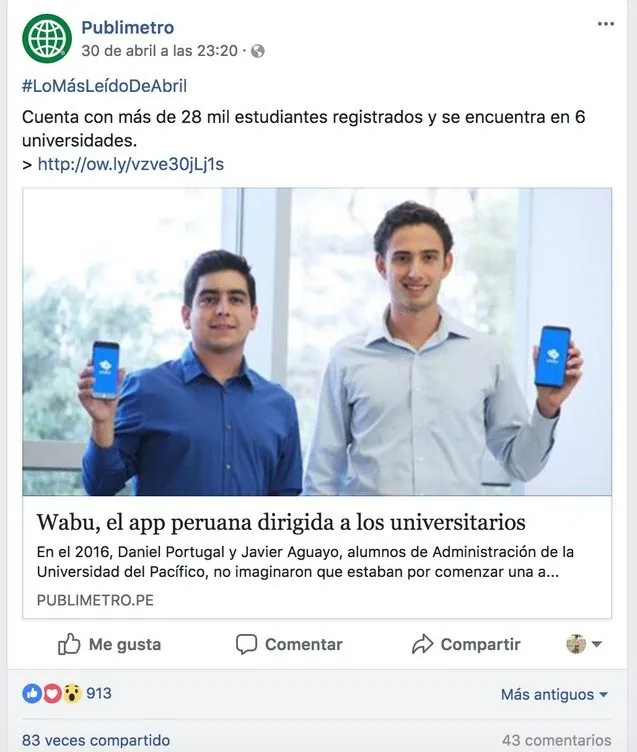
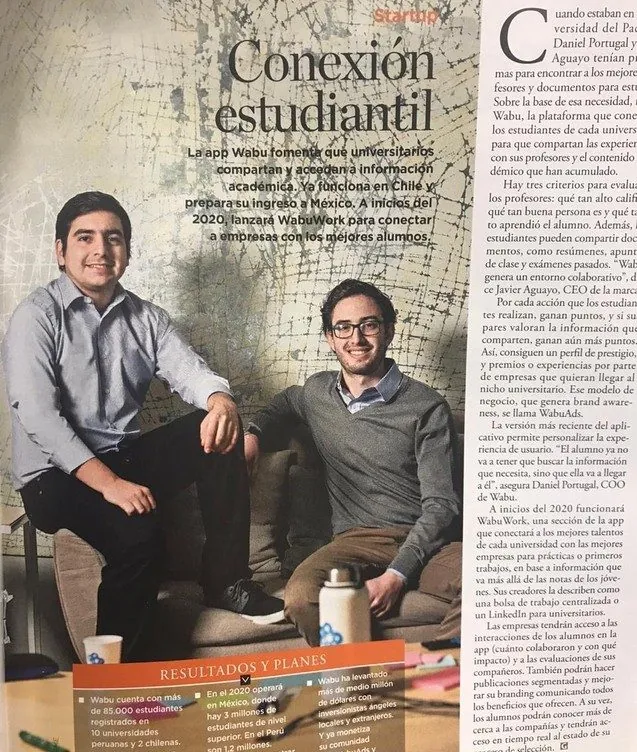
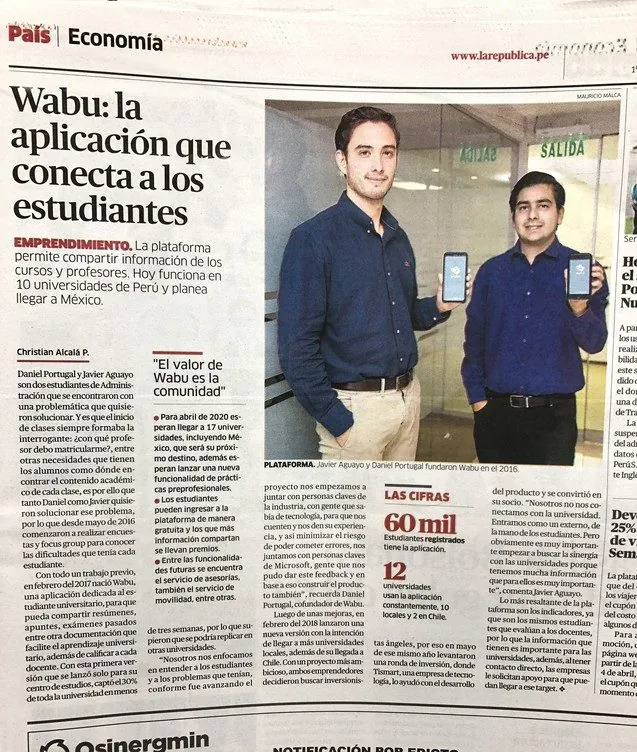
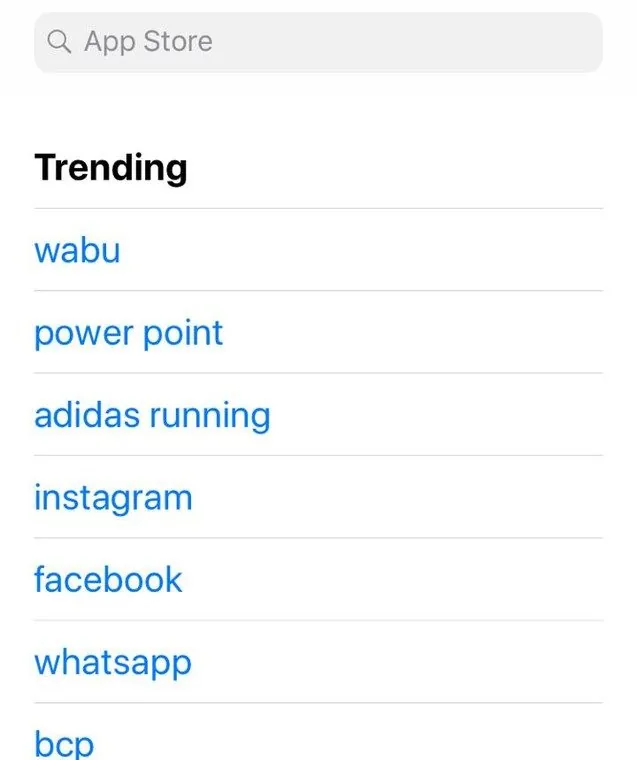
Newspaper features, a top-5 spot among educational apps in Peru, and app-store features — the full set also lives on my LinkedIn.